First Spin: Marvin Gaye - What's Going On
A soulful prayer on warm, black wax.
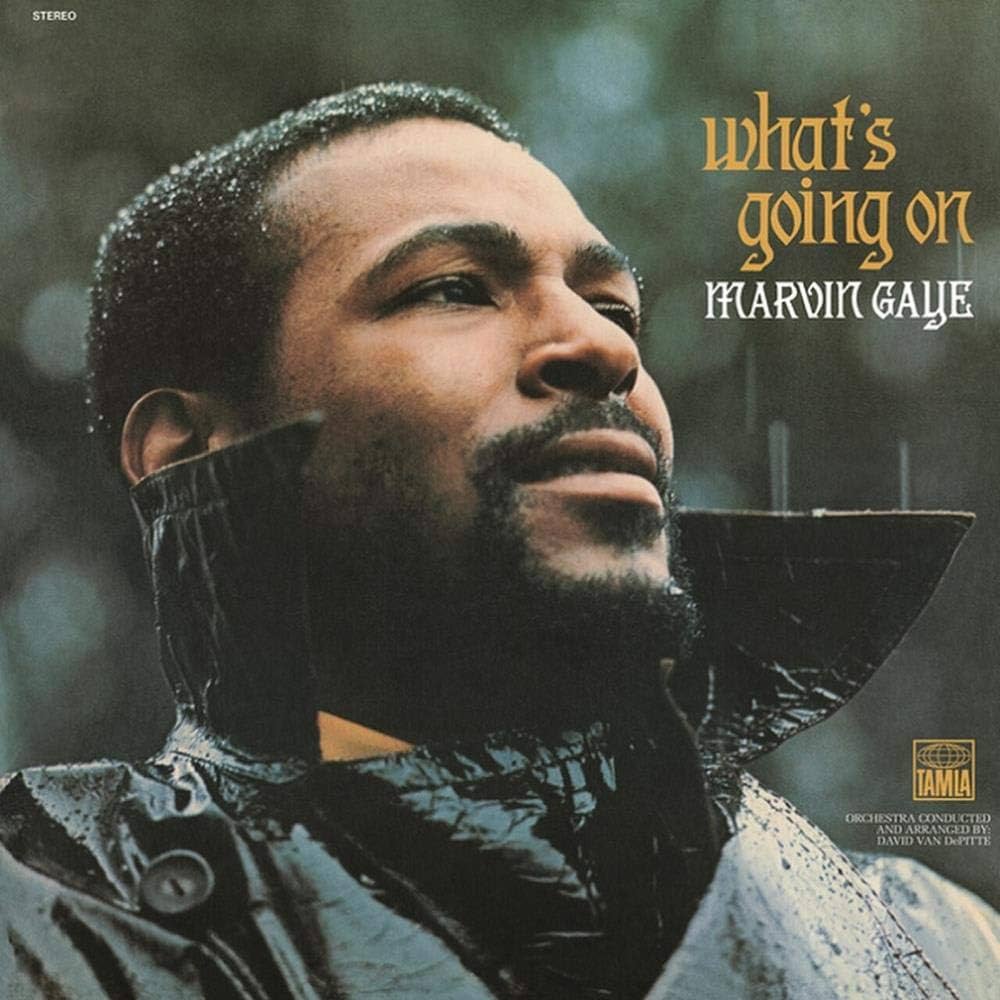
This isn't just a soul album; it's a symphony. It's a profound, nine-song meditation on the state of the world, flowing from one track to the next without pause. Marvin Gaye fought Motown Records to get this made, and the result is one of the most important and beautiful concept albums ever created.
The Album: Marvin Gaye - What's Going On (1971)
Why this one? Because it is the pinnacle of warm, analog soul production. The sound is lush, dense, and deeply textured, with layers of strings, horns, and percussion all anchored by the revolutionary basslines of James Jamerson. This is an album that teaches you to listen to the feel of the groove.
Session Prep: Setting the Stage
- Find a Comfortable Space: This is a contemplative record. Find a place where you can relax and let the music wash over you.
- Uninterrupted Flow: The album is designed as a continuous suite. Interruptions will break the spell. Silence your phone.
- Focus on the Lyrics: The words are as important as the music. Gaye is telling a story from the perspective of a Vietnam vet returning home to a world of injustice and suffering. Understanding the narrative is key.
The Pressing: The Physical Artifact
An original 1971 Tamla pressing (TS310) is the benchmark. These were mastered at Motown's legendary "Hitsville U.S.A." studio, and they possess a warmth and low-end richness that is truly special. The dead wax on these early copies is a map of its creation. What you are listening for is separation within the warmth. The mix is dense, but a good pressing will allow you to pick out the individual congas, the gentle shimmer of the vibraphone, and the pillowy softness of the string arrangements, all without losing the cohesive, soupy groove that holds it all together. And of course, you're listening for the bass. James Jamerson's basslines should sound round, melodic, and impossibly nimble.
The Ritual: Needle Drop
Gently lower the stylus. The album doesn't begin with a song, but with a scene: a party, conversations fading in. You're not just a listener; you're an observer, stepping into the world of the album's narrator.
Side A: The Question
Track 1: "What's Going On"
From the party chatter emerges one of the most iconic basslines ever played. James Jamerson's melodic, syncopated playing is the heart of the song. Listen to how Marvin Gaye's vocals are layered. He recorded multiple lead vocal tracks, creating a call-and-response with himself. The effect is intimate and conversational. The saxophone solo by Eli Fontaine should sound smooth and soulful, not aggressive.
Track 2: "What's Happening Brother"
This track flows directly from the first, a seamless transition. The perspective is now sharply in focus: a soldier returning home. The congas and percussion should create a complex, bubbling rhythm beneath the lush strings. It’s the sound of a troubled mind searching for peace in a world he no longer recognizes.
Track 3: "Flyin' High (In the Friendly Sky)"
The mood becomes hazy and dream-like. This is the album's subtle exploration of drug use as a form of escapism from the world's pain. The production is ethereal; listen for the shimmering vibraphone and the layered, floating vocals that create a sense of disorientation. It's a beautiful, yet deeply sad, track.
Track 4: "Save the Children"
The musical backdrop softens, and Marvin's voice shifts to a spoken-word plea. This is a moment of pure, direct emotional appeal. The lush strings and gentle percussion create a cinematic feel. Listen for the interplay between his intimate, spoken delivery and the soaring, angelic backing vocals. It’s a powerful and moving centerpiece for Side A.
Track 5: "God Is Love"
A brief, gospel-infused interlude that serves as a bridge. After the pleas of the previous track, this song offers a potential answer in faith. The arrangement is simple, focusing on tight vocal harmonies and a simple, repeating piano figure. It's a moment of clarity and light before the album returns to its more somber themes.
Track 6: "Mercy Mercy Me (The Ecology)"
A song of profound sadness disguised as one of the most beautiful melodies ever written. The piano melody is simple and elegant. Listen for the contrast between the sweetness of the music and the stark reality of the lyrics about environmental destruction. Jamerson's bass once again provides a stunning, melodic counterpoint to Gaye's vocals.
Side B: The Search for an Answer
Track 7: "Right On"
The longest track on the album, this is a hypnotic, seven-minute jam. It's a showcase for the incredible musicianship of The Funk Brothers. The focus here is the groove. Let the layers of percussion, the intricate bassline, and the soaring flute solo wash over you. On a good system, the soundstage should feel wide and deep, allowing you to get lost in the instrumental conversation.
Track 8: "Wholy Holy"
The spiritual core of the album. After the long jam of "Right On," the mood becomes quiet and reverent. This is a simple plea for faith and unity. The production is stripped back, focusing on the gospel-inflected piano and Gaye's multi-tracked harmonies, which should sound like a celestial choir.
Track 9: "Inner City Blues (Make Me Wanna Holler)"
The album concludes with its funkiest and most desperate track. The bassline is gritty and menacing, the piano jabs are sharp, and Gaye's vocal performance is raw with frustration. The song builds to a fever pitch before an abrupt edit cuts it off, reprising the main theme of "What's Going On." It's a masterful move, bringing the listener back to the album's central question, which remains unanswered. It leaves you hanging, forced to contemplate everything you've just heard.
The Verdict: A Timeless Statement
As the final reprise fades, you're left not with an ending, but with a question that echoes. What's Going On is more than a collection of songs; it's a singular, seamless work of art. It’s a social document, a spiritual plea, and a sonic masterpiece. On vinyl, you feel the warmth of the studio, the humanity in the performances, and the urgency of its message. It’s an essential artifact that proves that popular music can be art of the highest order. Welcome to the Guild.