First Spin: A Tribe Called Quest - The Low End Theory
A story about the alchemy of jazz, beats, and bass.
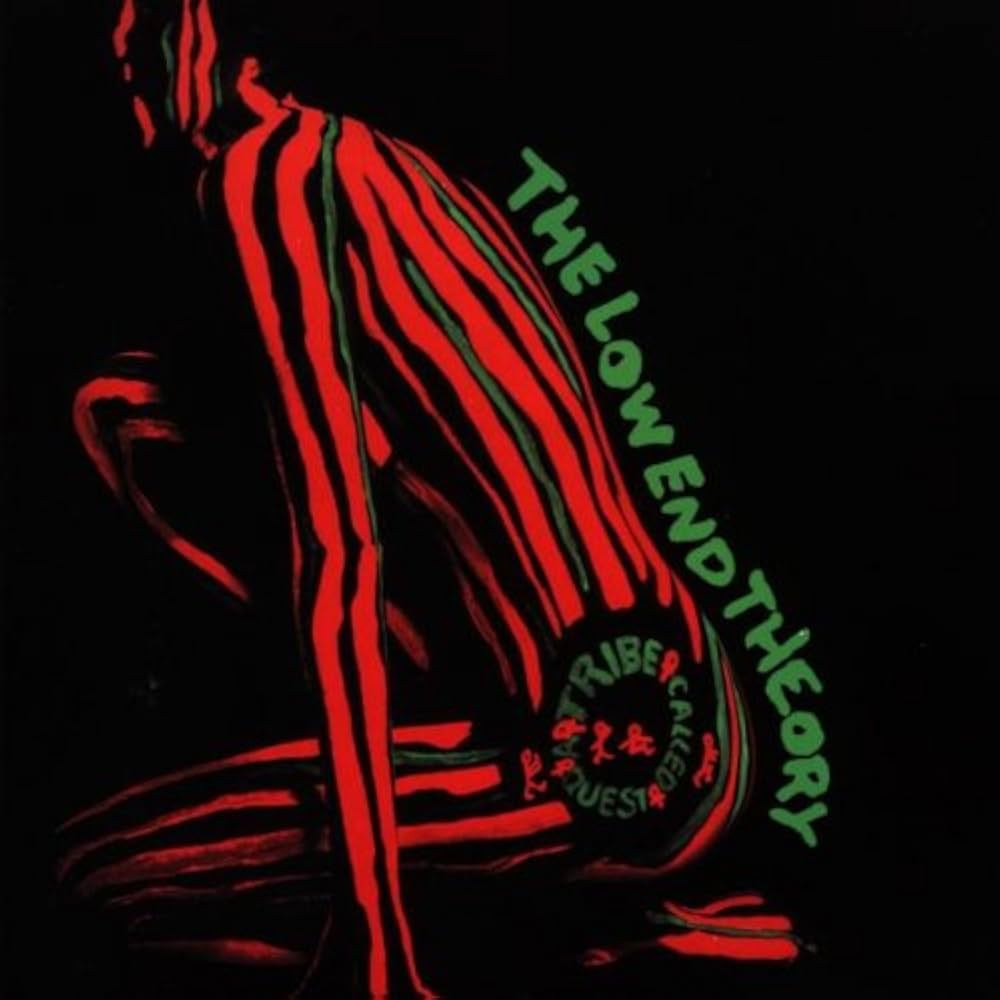
This album is a landmark. In 1991, A Tribe Called Quest stripped hip-hop down to its bare essentials—dusty jazz samples, minimalist beats, and intricate rhymes—and in doing so, created one of the most sonically rich and influential records of the genre. It's a thesis statement on the connective tissue between jazz and hip-hop.
The Album: A Tribe Called Quest - The Low End Theory (1991)
Why this one? Because, as the title suggests, it is an obsessive exploration of bass. The album is a masterclass in how to make samples feel warm, alive, and deeply groovy. On a great analog system, this record isn't just heard; it's felt. It teaches you to listen to the space in a beat and the profound impact of a perfectly chosen bassline.
Session Prep: Setting the Stage
- It's a Vibe: This is a cool, confident, and laid-back record. It's perfect for a late-night session. Dim the lights, get comfortable.
- Uninterrupted Flow: Tribe is all about sequence. Let the album, meticulously crafted by Q-Tip and Ali Shaheed Muhammad, work its magic without interruption. Silence your phone.
- Listen for the Layers: Pay attention to how the samples are chopped and layered. A snippet of a horn, a piano chord, a drum break—they are the building blocks.
The Pressing: The Physical Artifact
An original 1991 Jive Records pressing is the gold standard. Mastered by the legendary Tom Coyne at The Hit Factory, these early pressings have a punch and warmth that is hard to replicate. Check the dead wax for "MASTERDISK" and "HW" for Howie Weinberg. What you're listening for is the texture. The kick drums, often sampled from old records, should have a satisfying, slightly gritty "thwack." The sampled jazz basslines should sound like they're coming from a real wooden instrument, not just a flat recording. The magic of a good pressing is that it preserves the analog warmth of the original jazz records Tribe was sampling from, creating a beautiful sonic lineage.
The Ritual: Needle Drop
Lower the stylus. The first sound is the instantly recognizable, impossibly smooth, and deeply funky bassline of "Excursions." It's not an intro; it's a declaration of intent. Welcome to The Low End.
Side A: The Foundation
Track 1: "Excursions"
The album opens with its thesis statement. The bass sample from Art Blakey & the Jazz Messengers' "A Chant for Bu" is the star. On a good system, it should have a physical presence, a round, woody tone that fills the room. Listen to how Q-Tip's voice, relaxed and conversational, floats perfectly over the minimalist beat. The production is sparse, allowing every element—the crisp snare, the warm bass, the occasional horn stab—to have maximum impact.
Track 2: "Buggin' Out"
The energy shifts immediately. This is Phife Dawg's explosive arrival on the album. The beat is simple but infectious: a tight, snappy drum loop and a hypnotic, descending bassline. It’s a showcase for pure lyrical dexterity. The production is so minimal that the focus is entirely on the incredible back-and-forth between Q-Tip's smooth flow and Phife's energetic, high-pitched punchlines.
Track 3: "Rap Promoter"
Notice the texture of the drum break here, sampled from Weather Report. It's got that perfect "dusty" quality, the sound of a needle on a well-loved record. This track is a great example of Tribe's ability to create a hypnotic, head-nodding groove from just a few perfectly chosen loops. Phife Dawg's energetic delivery provides a perfect contrast to Q-Tip's smoother flow.
Track 4: "Butter"
As the title suggests, this is one of the smoothest tracks in Tribe's entire catalog. The beat is laid-back and jazzy, built around a warm electric piano sample. This is a showcase for Phife's storytelling and charisma. The production should sound effortless, a cool, confident groove that never rushes.
Track 5: "Verses from the Abstract"
A crucial moment. This track famously features a live acoustic bass performance by the legendary jazz bassist Ron Carter. This isn't a sample. Listen to the interplay between Carter's fluid, melodic basslines and the rigid snap of the sampled drum break. On a good system, the texture of his upright bass should be stunningly realistic—you can almost hear the wood of the instrument resonating.
Track 6: "Show Business"
A posse cut featuring Brand Nubian and Diamond D that provides a cynical look at the music industry. The beat is funkier and more aggressive, driven by a powerful horn sample. It's a moment of hardcore hip-hop realism that adds a different flavor to the album's mostly laid-back vibe.
Track 7: "Vibes and Stuff"
The album settles back into a mellow, contemplative groove. The track is built around a beautiful, slightly melancholic piano sample. This is a perfect example of the "vibe" that Tribe became famous for—a relaxed, introspective, and deeply musical track that feels like a lazy afternoon.
Side B: The Exploration
Track 8: "The Infamous Date Rape"
A jarring, cautionary tale that showcases Tribe's willingness to tackle serious subject matter. The beat is frantic and nervous, built around a chaotic horn sample. It's meant to be unsettling, and the production perfectly matches the lyrical content.
Track 9: "Check the Rhime"
One of the group's most iconic tracks. It's built around a brilliantly funky sample of Minnie Riperton. The call-and-response between Q-Tip and Phife is legendary. Listen for the incredible groove created by the bassline and the tight, punchy drums. It's a perfect fusion of jazz, funk, and hip-hop that is pure, uncut joy.
Track 10: "Everything Is Fair"
The mood becomes darker and more atmospheric. The beat is sparse and menacing, with a deep, reverberating bass tone. It’s a moment of sonic tension, a contrast to the brighter tracks that surround it, showing the group's versatility.
Track 11: "Jazz (We've Got)"
Another one of the album's core statements. The mood is smooth and relaxed. The piano loop is dreamy, and the prominent sample of a gently brushed snare drum gives the track an incredible texture. Listen for how Phife's line "Straight up and down, this is Quest, we got the jazz" lands perfectly in the pocket of the beat. It's pure sonic bliss.
Track 12: "Skypager"
A showcase for Ali Shaheed Muhammad's DJ skills and Q-Tip's production. The beat is built around a beautifully chopped and filtered sample. The bassline is deep and resonant, almost dub-like. The sounds of beepers and pagers are woven into the beat, grounding the track in a specific moment in time while the groove itself feels timeless.
Track 13: "What?"
The album's penultimate track is a lyrical and sonic collage. Q-Tip's voice is processed with a filter, and the beat is a sparse, abstract collection of sounds and samples. It's an experimental, almost deconstructed, moment that sets the stage for the explosive finale.
Track 14: "Scenario"
The legendary posse cut that introduced the world to Busta Rhymes. This is the most aggressive track on the album, and its rightful closer. The bassline here is heavy and electric, with a menacing growl. The production is a masterclass in dynamics, building tension with each verse until Busta Rhymes unleashes his now-iconic, explosive "dungeon dragon" finale. It's a sonic exclamation point at the end of a masterpiece.
The Verdict: An Audiophile's Beat Tape
As the explosive final verse of "Scenario" fades out, you're left with the profound sense of a journey completed. The Low End Theory is more than just a collection of great songs; it's a unified sonic statement. It proved that hip-hop could be subtle, sophisticated, and deeply rooted in musical history, all while pushing the art form forward. On vinyl, the album breathes. The samples feel warm and tangible, the bass envelops you, and the space between the beats becomes just as important as the beats themselves. It's an essential artifact for any listener who cares about the art of the groove. Welcome to the Guild.