First Spin: Fleetwood Mac - Rumours
A postcard from the edge, polished to perfection.
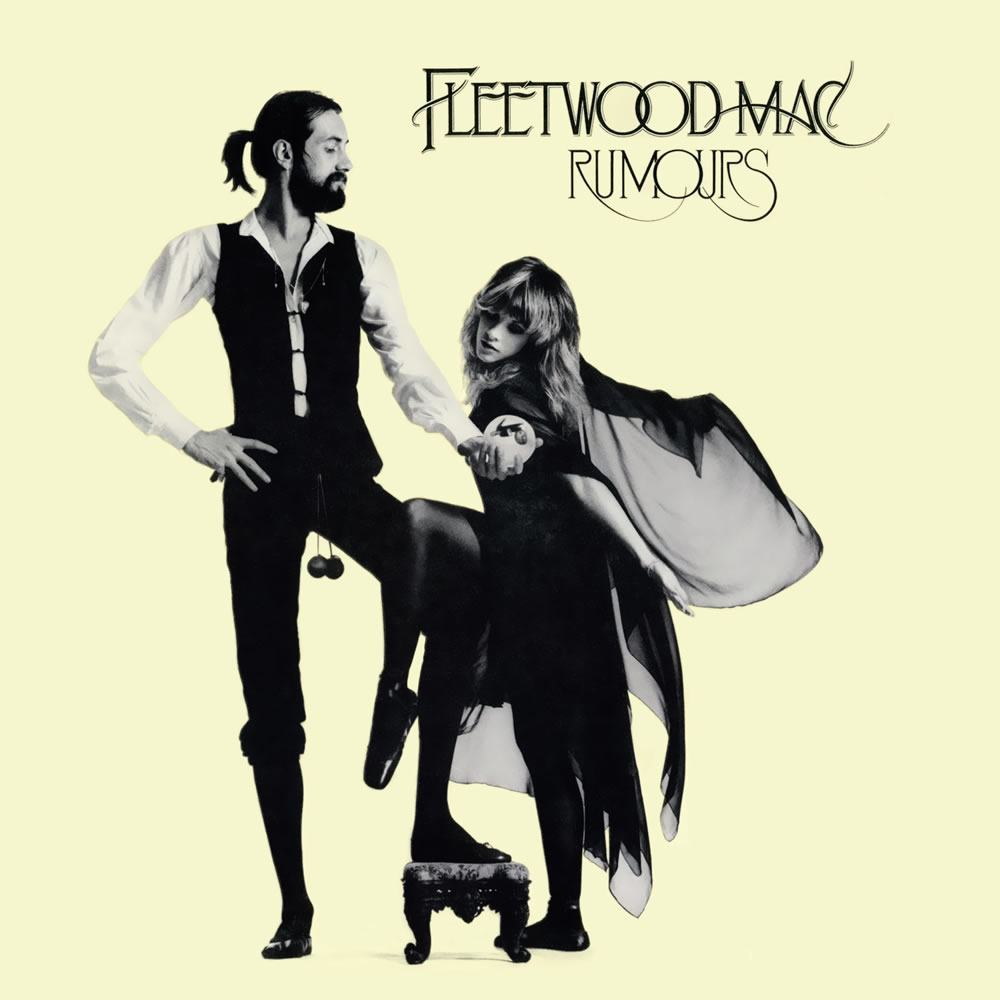
This isn't just an album; it's a survivor's diary. Born from intense personal turmoil—breakups, affairs, betrayals—Rumours is a study in turning emotional chaos into pop perfection. It's the sound of five people in a room who could barely speak to each other, yet created some of the most enduring and intricate harmonies ever recorded.
The Album: Fleetwood Mac - Rumours (1977)
Why this one? Because it's a miracle of audio engineering. Co-producers Ken Caillat and Richard Dashut performed alchemy, weaving layers of acoustic instruments, electric textures, and impossibly tight vocal harmonies into a sound that is both warm and impeccably clean. This is an album that teaches you to appreciate craftsmanship and the beauty that can arise from conflict.
Session Prep: Setting the Stage
- Let the Sun In: Unlike many of our other sessions, this isn't a creature of the night. Rumours is a sun-drenched, wood-paneled, Southern California record. Listen to it during the day or in a warmly lit room.
- Undivided Attention: You are a fly on the wall in the Record Plant studio. The five people in this room deserve your focus. Silence your phone.
- Grab the Lyric Sheet: The lyrics are essential. They are direct, personal, and often aimed at another person in the band. Knowing who is singing what, and who they are likely singing it about, is key to the experience.
The Pressing: The Physical Artifact
An original 1977 Warner Bros. pressing, mastered by Ken Perry at Capitol Studios, is a beautiful thing. Look for "KENDUN" stamped in the dead wax—that's the mark of his studio. What you're listening for is warmth and punch. The bass should be round and defined, not soupy. The acoustic guitars should have a crisp, woody texture, and the cymbals should shimmer with a silky decay, not a brittle 'tssh'. This album's magic is in its dynamic range—the ability to go from the quiet intimacy of "Songbird" to the explosive climax of "The Chain" without losing composure.
The Ritual: Needle Drop
Gently lower the stylus. There's no grand, atmospheric intro. Just the clean, propulsive, and slightly defiant pulse of an acoustic guitar. You've just walked into the room.
Side A: The Conversation Begins
Track 1: "Second Hand News"
The album starts mid-stride. That isn't just one acoustic guitar; it's several, layered and compressed to create a single, percussive instrument. Listen for the satisfying "thump" of the Celtic-inspired beat Lindsey Buckingham is playing. When the vocal harmonies kick in at (0:25), a good pressing will render them as distinct, silky threads in a single rope. You should be able to pick out Lindsey, Stevie, and Christine's individual voices with ease.
Track 2: "Dreams"
This is all about the rhythm section. For the first 45 seconds, just focus on Mick Fleetwood's subtle, hypnotic 4/4 drum pattern and John McVie's simple, perfect two-note bassline. It’s the definition of "in the pocket." They create an unshakable foundation that allows Stevie Nicks's ethereal vocal to float on top. The bass shouldn't be a muddy rumble; it should be a round, melodic anchor, each note full and distinct.
Track 3: "Never Going Back Again"
An audiophile's delight. This is just Lindsey Buckingham and his acoustic guitar, intricately fingerpicked using a technique called Travis picking. On a great system, the soundstage should be intimate and precise. You should hear the sound of his fingers on the strings, the woody resonance of the guitar's body, and the crystalline clarity of each individual note. It should sound like he is in the room with you, sitting on a stool just a few feet away.
Track 4: "Don't Stop"
A blast of defiant optimism from Christine McVie. This is a showcase of the band's pop craftsmanship. Listen for the driving, almost percussive piano that forms the song's backbone. The vocal interplay between Christine and Lindsey in the chorus should be perfectly clear, a bright, energetic counterpoint to the album's darker themes. It's a testament to their professionalism that they could create something so joyous under such strain.
Track 5: "Go Your Own Way"
The raw, angry heart of Side A. The energy is nervous and frantic, driven by Fleetwood's explosive drumming. Listen for the texture of the guitar solo at (2:20). It’s not a melodic, soaring solo; it’s a jagged, furious, and brilliant statement. It should sound like the guitar strings are white-hot and about to snap.
Track 6: "Songbird"
A moment of pure, quiet beauty to close the side. This was recorded not in the studio, but overnight in the empty Zellerbach Auditorium at UC Berkeley to capture its unique natural reverb. This is just Christine McVie. Listen for the vastness of the space around her piano and voice. The decay of the notes should hang in the air, painting a picture of the massive, empty hall. It's a breathtaking moment of stillness.
Side B: The Aftermath
Track 7: "The Chain"
The only track credited to all five members, stitched together from different sessions. It's a three-act play. Act I is the acoustic, banjo-driven intro. At (3:02), the music stops, leaving only John McVie's bass. It's simple, menacing, and iconic. It should have a low, powerful growl that builds tension until Mick Fleetwood's legendary drum fill kicks the door down and the band comes crashing in for the final, cathartic outro.
Track 8: "You Make Loving Fun"
The smoothest groove on the album. The key instrument here is the Hohner Clavinet played by Christine McVie, run through a wah-wah pedal. It's the same kind of keyboard that gives Stevie Wonder's "Superstition" its funk. The texture should be liquid and bubbly, perfectly locked in with the buttery-smooth bass and drums.
Track 9: "I Don't Want to Know"
A bright, almost country-rock tune that hides its lyrical bite. This is a masterclass in vocal harmony. Listen to how Stevie Nicks's and Lindsey Buckingham's voices are woven together, so tightly blended they almost sound like a single voice. The shimmering, layered acoustic guitars should be crisp and distinct, driving the song's relentless, upbeat pace.
Track 10: "Oh Daddy"
A moody, atmospheric deep cut from Christine McVie. The song is built around the interplay between her sparse electric piano and John McVie's incredibly melodic, prominent bassline. It's a slow, hazy track. Listen for the subtle details, like the soft brushwork on the drums and the long, mournful decay of the synthesizer notes that float in the background. It's a beautiful moment of quiet desperation.
Track 11: "Gold Dust Woman"
The dark, mystical closer. The sound is layered and hypnotic. Listen for the metallic slide of the dobro guitar and the sharp, rhythmic attack of a cowbell deep in the mix. The song builds in intensity until the final chaotic fade-out, where you can hear the sound of a sheet of glass being shattered for percussive effect. It's a fittingly dramatic end to a legendary album.
The Verdict: Pop Perfection
As the chaotic fade-out of the final track recedes into the hiss of the run-out groove, take a moment. You haven't just listened to a collection of hits. You've eavesdropped on a masterpiece of emotional honesty and studio perfection. Rumours is proof that technical brilliance—the obsessive pursuit of the perfect sound—can elevate raw emotion into timeless art. It's an essential album. Welcome to the Guild.