First Spin: My Bloody Valentine - Loveless
An act of sonic extremism and a masterpiece of texture.
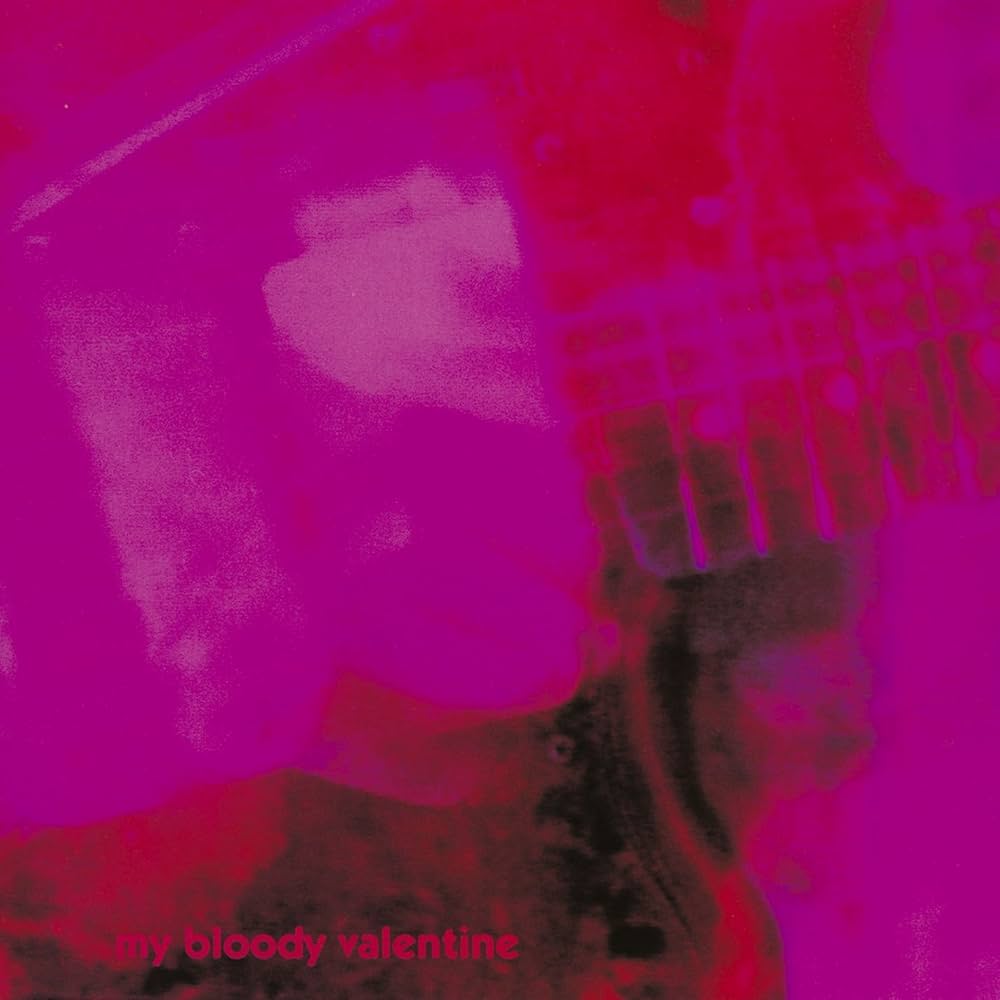
Prepare yourself. The other albums in this series are conversations; Loveless is a tidal wave. It is a dense, disorienting, and overwhelmingly beautiful assault on the senses. Born from years of obsessive studio experimentation and analog tape manipulation, it is a record that treats the recording process itself as the primary instrument.
The Album: My Bloody Valentine - Loveless (1991)
Why this one? Because it is the ultimate test of a system's ability to resolve detail within a hurricane of sound. It teaches you to listen not for individual instruments, but for the monolithic, shimmering texture they create together. It's a challenging listen that rewards you with moments of sublime, otherworldly beauty.
Session Prep: Setting the Stage
- Headphones Highly Recommended: While it will fill a room, the best way to navigate the dense layers of Loveless is with a good pair of headphones. It puts you inside the wall of sound.
- Volume is a Tool: This album is meant to be felt physically. It needs to be loud enough for the layers to blur and coalesce, but not so loud that it becomes pure noise. Finding the right volume is key.
- Abandon Expectations: Do not listen for traditional song structures, clear vocals, or distinct guitar riffs. Listen to it as you would an abstract painting. Focus on the textures, the colors, and the feeling it evokes.
The Pressing: The Physical Artifact
Cutting Loveless to vinyl is notoriously difficult. The sheer density of the sound can be a nightmare for a cutting stylus. Original 1991 pressings on Creation Records are legendary, but the 2018 all-analog reissues, personally supervised by Kevin Shields, are the modern benchmark. Shields is a perfectionist, and these pressings were mastered from the original 1/2 inch analog tapes. On the dead wax, look for the catalog number "MBV-LP-002." A good pressing manages to contain the album's chaos without collapsing into a muddy mess. The challenge is to maintain the power of the low-end frequencies and the shimmering, ethereal quality of the high-end textures, all while keeping the buried vocals from being completely lost in the storm.
The Ritual: Needle Drop
Lower the stylus. What you hear first is a deceptively simple drum sample. Then, at the four-second mark, the sound ignites. "Only Shallow" erupts with one of the most iconic and brutal guitar sounds ever committed to tape. There is no gentle introduction. You are immediately thrown into the deep end.
Side A: The Onslaught
Track 1: "Only Shallow"
The entire album's philosophy is contained in this song. It's a study in extreme contrasts. You have the violent, jet-engine roar of the main guitar riff, and then, floating in the middle, Bilinda Butcher's soft, breathy vocal. A great system won't let the guitar sound swallow the vocal. You should be able to perceive her voice as a distinct, protected layer within the sonic chaos. The bass and drums are the anchor, a simple, powerful engine driving through the storm.
Track 2: "Loomer"
The aggression recedes, replaced by a woozy, seasick feeling. The guitars here are bent and warped, moving in slow, disorienting waves. The vocals are even more buried, another textural element in the dreamscape. Listen for how the drums and bass provide a steady, almost plodding anchor while the guitars seem to float untethered above them.
Track 3: "Touched"
A brief, instrumental interlude that feels like a dream sequence. This is a pure texture piece, a wash of synthesized, swelling sounds and what sound like manipulated string samples. It's disorienting and serves as a palate cleanser before the next wave hits.
Track 4: "To Here Knows When"
This is where the album becomes truly hypnotic. The rhythm is a steady, almost motorik pulse. The guitars have dissolved from a roar into a woozy, liquid shimmer. The "vocals" are more of a wordless texture than a traditional melody. Listen for the famous "flute" sound, a warped and manipulated sample that weaves in and out of the mix. This track is all about midrange texture. It should feel like being suspended in a warm, viscous liquid.
Track 5: "When You Sleep"
The closest the album comes to a conventional pop song, but it's still filtered through the band's unique sonic lens. The melody, sung by Shields and Butcher together, is beautiful, but it's deliberately buried just beneath the surface of the churning guitars. The challenge for your system is to let you hear the beauty of that pop song without stripping away the gorgeous, fuzzy blanket of noise that covers it.
Track 6: "I Only Said"
A propulsive, almost danceable rhythm drives this track. The bassline is prominent and melodic, giving the song a powerful forward momentum. Above this, the guitars create a shimmering, shimmering wall of sound. Listen for the subtle panning effects on the guitar layers, creating a sense of constant, swirling motion.
Side B: Immersion
Track 7: "Come in Alone"
This track is built on a stuttering, sampled drum loop that gives it a unique, jerky rhythm. The guitars are cyclical and hypnotic, locking into a groove with the drums. Bilinda Butcher's vocals are particularly ethereal here, floating high above the more aggressive rhythm section. It's a study in contrasts between the mechanical and the organic.
Track 8: "Sometimes"
The eye of the storm. This is the quietest, most direct song on the album. An acoustic guitar is, for the first time, clearly audible just beneath the electric haze. Kevin Shields's vocal is vulnerable and close-miked. It’s a moment of profound, fragile beauty, where the noise recedes just enough to reveal the heartbreaking song at its core.
Track 9: "Blown a Wish"
A return to the dense, layered sound, but with a more delicate touch. The song has an almost hymn-like quality, built around a high, arpeggiated guitar line and Bilinda Butcher's soaring, wordless vocals. The layers of sound are particularly intricate here, a dense lattice of shimmering guitar textures and processed vocals.
Track 10: "What You Want"
The pace quickens for the ramp-up to the finale. This is one of the most frantic and aggressive tracks on the record, with a driving drum beat and a relentless, almost punishing wall of guitar noise. It's designed to be overwhelming, a sonic blizzard that builds tension before the final release of "Soon."
Track 11: "Soon"
The album's glorious finale. It's the most rhythmically aggressive track, built around a propulsive, almost danceable beat and a looping, hypnotic bassline. Over the top, Kevin Shields layers wave after wave of his signature "glide guitar," creating a sound that is simultaneously euphoric and on the verge of collapse. On a great pressing, the track should feel physically immense, a true wall of sound that doesn't just hit you, but completely envelops you.
The Verdict: A Sonic Monument
As the final notes of "Soon" feedback into silence, you might feel like you're coming up for air. Listening to Loveless on vinyl is an intense, physical experience. It's a difficult album, but its rewards are immense. It's a landmark of recording artistry that pushed the limits of what analog tape could do. You don't just listen to this record; you surrender to it. It is a monument to the beauty of noise, a challenging and essential artifact for any serious collector. Welcome to the Guild.