First Spin: Joni Mitchell - Blue
A study in sonic honesty and emotional transparency.
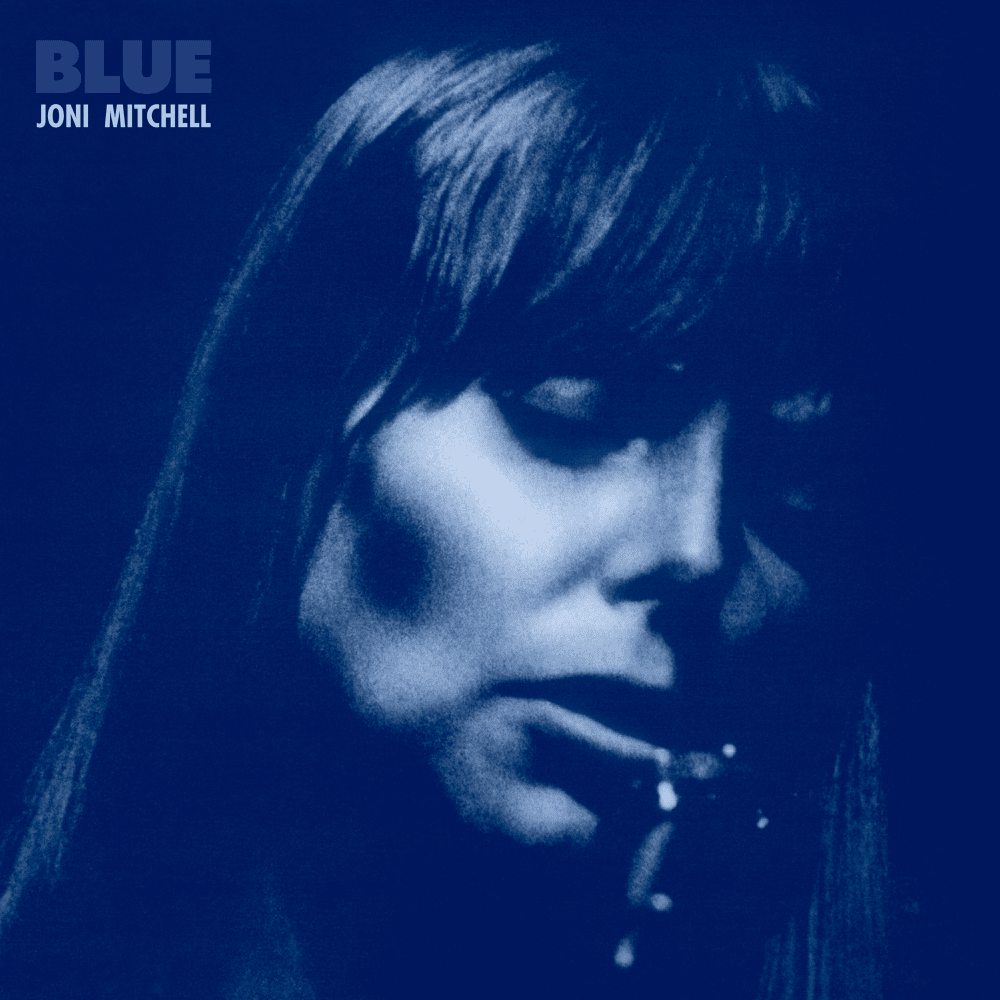
After the dense electronic architecture of our last session, we turn to an album that is its polar opposite. Blue is not a work of production wizardry; it is a work of radical honesty. It's one of the most emotionally raw and sonically pure albums ever recorded, a collection of songs that feels less like a performance and more like a confession.
The Album: Joni Mitchell - Blue (1971)
Why this one? Because it is the ultimate test of a system's ability to reproduce realism. There is nowhere to hide in these recordings. The instrumentation is sparse, the production is clean, and the focus is squarely on Joni's voice. This album teaches you to listen for the subtle, human details: the weight of a hand on a piano, the breath before a vocal line, the resonant decay of an acoustic guitar string.
Session Prep: Setting the Stage
- Quiet is Essential: This is a delicate, intimate record. Listen in a quiet room where you will not be disturbed. This is not background music.
- Find Your Focus: Sit directly in the sweet spot between your speakers. The goal is to create a holographic image of Joni in the room with you.
- Read the Lyrics: The lyrics are poetry of the highest order—unflinchingly personal and vivid. Having them in hand will deepen the experience immeasurably.
The Pressing: The Physical Artifact
An original 1971 Reprise Records "steamboat label" pressing, mastered by Bernie Grundman, is a thing of beauty. However, the all-analog 2021 reissue, also cut by Grundman from the original master tapes, is arguably its equal and much easier to find. On the dead wax of that reissue, look for "BG." What you are listening for is not an "effect," but a lack of one. The recording should have a "you are there" quality. Joni's voice should be perfectly centered, clear, and free of any artificial reverb or sibilance. The piano on "My Old Man" should sound like a real, 800-pound instrument, with rich, woody tones and a long, natural decay. This is about capturing the sound of air moving in a room at A&M Studios in 1971.
The Ritual: Needle Drop
Gently lower the stylus. The first sound is the bright, almost percussive strum of an Appalachian dulcimer. It's an immediate, unfiltered, and deeply personal sound that perfectly sets the tone for the journey ahead.
Side A: Songs Are Like Tattoos
Track 1: "All I Want"
The album opens not with a gentle fade, but with the frantic, joyous energy of that dulcimer. The instrument has a unique, reedy texture that should sound bright but not harsh. Listen to how her complex vocal melody weaves in and out of the driving rhythm of the strings. It’s a breathless, restless declaration of purpose that immediately establishes the album's emotional intensity.
Track 2: "My Old Man"
The song is just Joni and her piano. This is a pure test of your system's midrange. The piano should sound full-bodied and dynamic, not thin or tinny. Listen for the sound of the sustain pedal being used, the subtle mechanical sounds that ground the performance in reality. Her voice, clear and soaring in the center, should feel completely distinct from the instrument, occupying its own space in the room.
Track 3: "Little Green"
A heartbreakingly beautiful song built around Joni's intricate acoustic guitar work. Listen for the clarity of each individual string. You should be able to hear the crisp attack of the pick and the long, shimmering decay of the notes. Her vocals here are more delicate, and a good system will reproduce the subtle nuances and fragile textures of her performance.
Track 4: "Carey"
A moment of bright, breezy relief. The Appalachian dulcimer returns, but this time with a playful, bouncing rhythm. The key sonic addition here is Stephen Stills on bass, who provides a simple, melodic anchor. His bass should sound round and warm, giving the track a grounded, joyful groove that contrasts with the starkness of the surrounding songs.
Track 5: "Blue"
The title track and the emotional centerpiece of the album. Again, it's just Joni and the piano. The performance is almost painfully raw. The recording should have a stark, unvarnished quality. This isn't about hi-fi fireworks; it's about emotional transmission. A great analog setup will simply get out of the way and let the profound sadness and beauty of the song speak for itself.
Side B: A Case of You
Track 6: "California"
The mood lifts. This is one of the more "produced" tracks, featuring a pedal steel guitar. Listen for the separation between the instruments. The pedal steel should have a liquid, mournful cry, weaving around Joni's dulcimer and vocals without ever muddying them. It's a beautifully arranged track that showcases the skill of engineer Henry Lewy at creating a sense of space.
Track 7: "This Flight Tonight"
One of the most rhythmically driving songs on the record. The energy comes from the interplay of Joni’s percussive acoustic guitar strumming against the bassline and subtle percussion. The production here is a bit denser. Listen for how her layered harmony vocals are placed in the stereo field during the chorus, creating a richer, fuller sound without sacrificing the intimacy.
Track 8: "River"
One of the most famous and devastating songs in her catalog. It begins with a lonely piano quoting "Jingle Bells," a genius stroke of irony. This is the ultimate test of silence in your system. The track is nothing but piano and voice, and the space around them is part of the instrument. The piano's melancholic tone and the raw vulnerability in her voice should feel immediate and incredibly present.
Track 9: "A Case of You"
One of the greatest love songs ever written. The recording is incredibly intimate. It begins with her voice and the dulcimer. Listen for the moment James Taylor's gentle acoustic guitar enters. The two instruments should be clearly defined in the stereo image. The magic of this recording is its simplicity. The power comes entirely from the emotional weight of Joni's vocal delivery. It should feel like she is confessing directly to you.
Track 10: "The Last Time I Saw Richard"
The album closes with a narrative masterpiece. It starts with a slow, contemplative piano intro. Listen for the dynamic shift in her voice as she moves from telling a story to singing the melancholic refrain. The recording captures the full range of her voice, from a near-whisper to a powerful, soaring cry. It's a final, devastatingly beautiful showcase of the album's emotional and sonic honesty.
The Verdict: The Sound of Truth
As the final piano chords of "The Last Time I Saw Richard" fade to silence, you're left with a profound sense of intimacy. Blue is an audiophile album not because of what was done in the studio, but because of what wasn't. It's a direct, unfiltered conduit to the artist. On vinyl, the experience is almost sacred. You're not just playing a record; you're bearing witness to a moment of pure artistic vulnerability. It is an essential artifact, a reminder that the most powerful sound a stereo can produce is sometimes just a single human voice, rendered truthfully. Welcome to the Guild.